
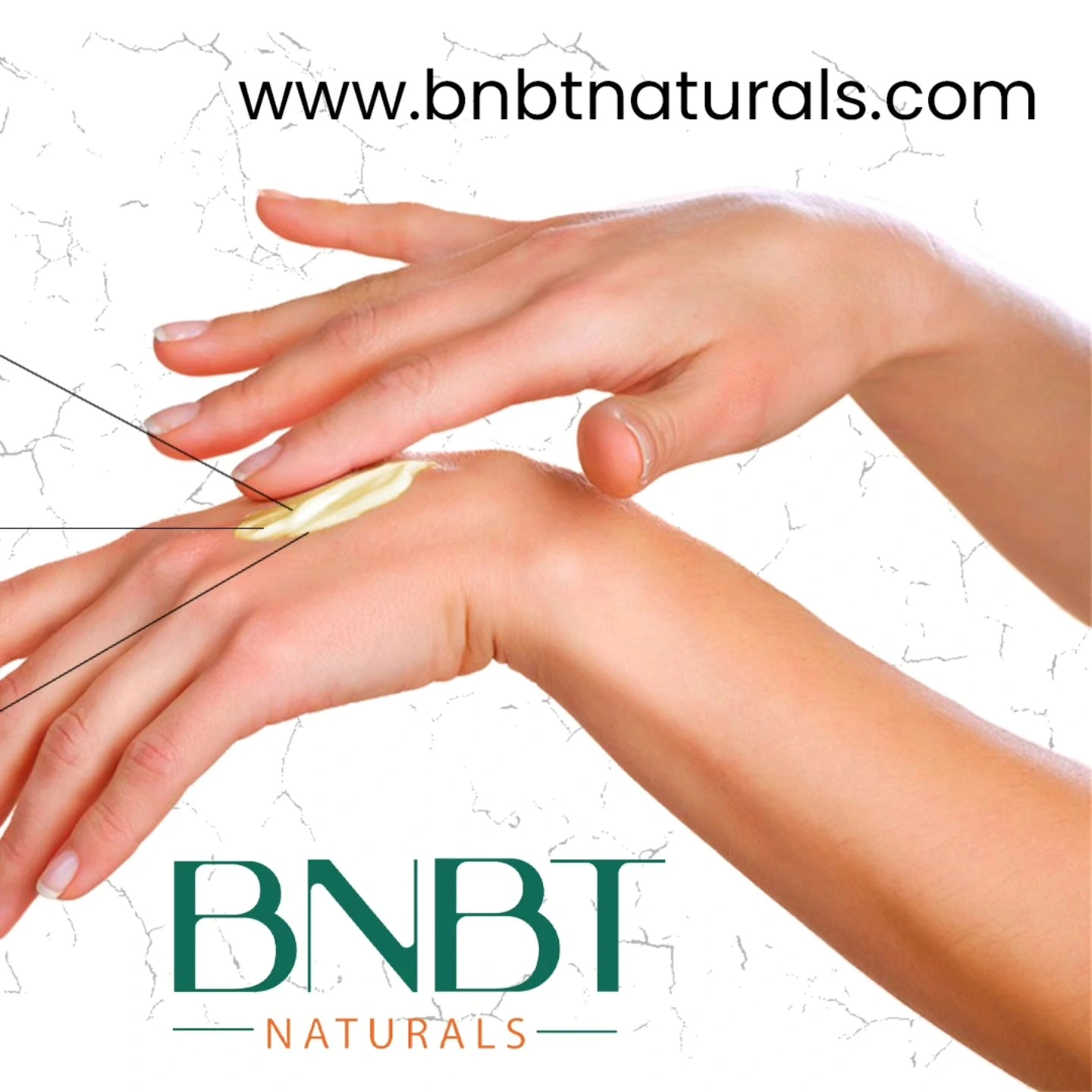
From Plant to Product: How Natural Skincare Is Made
Natural Skincare Production
Natural skincare is more than just a label. Behind every bottle of cream, serum, or oil is a thoughtful process that begins with nature and ends with a product designed to care for your skin gently and effectively.
Let’s take a closer look at the journey of natural skincare—from plant to product.
Step 1: Selecting the Right Plants and Botanicals
The foundation of natural skincare lies in choosing high-quality plants, herbs, and botanicals. These are selected based on their traditional use, skin benefits, and safety.
Commonly used botanicals include:
- Herbs like neem, tulsi, and ashwagandha
- Flowers such as rose and chamomile
- Seeds and nuts like almond, jojoba, and sunflower
The quality of the final product depends heavily on the purity and freshness of these raw ingredients.
Step 2: Ethical Sourcing and Sustainable Harvesting
Responsible brands focus on ethical sourcing to ensure that plants are harvested without harming the environment or local communities.
This includes:
- Harvesting plants at the right stage for maximum potency
- Avoiding over-harvesting
- Supporting local farmers and sustainable farming practices
Sustainable sourcing helps protect nature while delivering effective skincare.
Step 3: Extracting the Active Ingredients
Once the plants are sourced, their beneficial compounds are extracted using gentle methods to preserve potency.
Common extraction methods include:
- Cold pressing for oils
- Steam distillation for essential oils
- Water or herbal infusions for plant extracts
These processes retain vitamins, antioxidants, and natural healing properties.
Step 4: Formulating the Skincare Product
Formulation is where science meets nature. Extracts, oils, and natural actives are carefully blended in precise proportions to ensure safety, stability, and effectiveness.
Key considerations during formulation:
- Skin compatibility and pH balance
- Avoiding harsh chemicals and toxins
- Ensuring consistent texture and absorption
Natural preservatives may be used to maintain freshness while keeping the product skin-friendly.
Step 5: Safety Testing and Quality Checks
Before reaching your skin, natural skincare products go through multiple quality checks.
These include:
- Stability testing to ensure product consistency
- Microbial testing for safety
- Patch testing to minimize the risk of irritation
Testing ensures that natural products are safe for daily use.
Step 6: Packaging with Care
Packaging plays a vital role in protecting natural formulations.
Responsible brands often choose:
- Air-tight or UV-protected containers
- Recyclable or minimal packaging
- Containers that preserve product potency
Proper packaging helps extend shelf life without relying on harsh preservatives.
Step 7: Bringing the Product to You
Once the product passes quality standards, it is labeled, packed, and delivered—ready to become part of your skincare routine.
Every step, from plant selection to packaging, reflects the brand’s commitment to transparency, quality, and care.
Why This Process Matters
Understanding how natural skincare is made helps consumers make informed choices. A well-crafted natural product respects both your skin and the environment.
When you choose thoughtfully made skincare, you support:
- Healthier skin
- Sustainable practices
- Honest beauty standards
Final Thoughts
Natural skincare is a journey rooted in nature, guided by science, and completed with care. From the plant growing in the soil to the product in your hands, every step matters.
Choosing natural skincare means choosing balance, simplicity, and respect—for your skin and the planet.




Add comment