
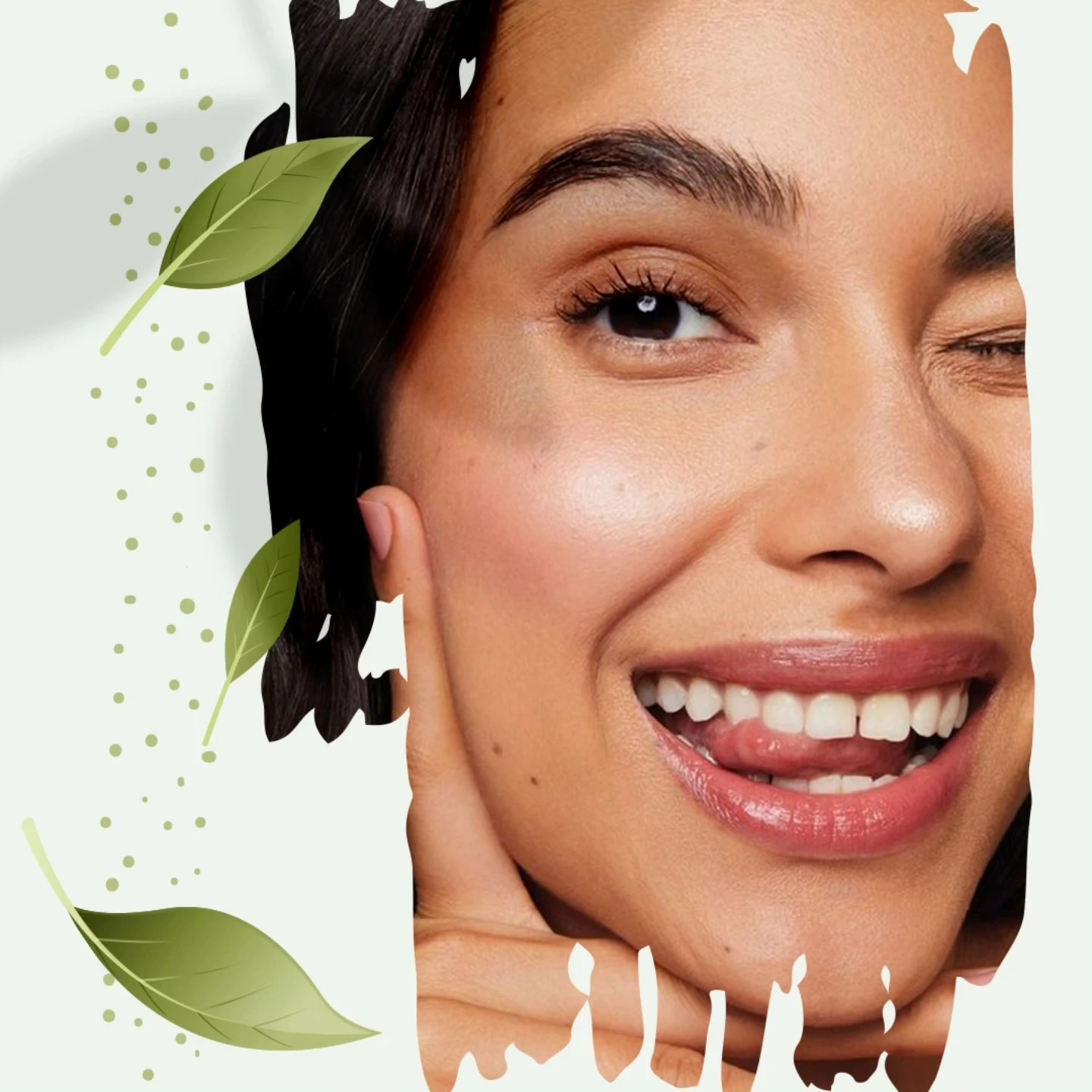
How to Get Rid of Hyperpigmentation Naturally
Learn how a consistent Ayurvedic skincare routine, natural ingredients, sun protection, and healthy skincare habits can help improve the appearance of hyperpigmentation and dark spots.
Hyperpigmentation is one of the most common skin concerns, affecting people of different ages and skin types. Dark spots, uneven skin tone, acne marks, and areas of pigmentation can make the skin appear dull and uneven.
While hyperpigmentation can have several causes, a consistent skincare routine can help support healthier-looking skin and gradually improve the appearance of uneven pigmentation. Ayurvedic skincare focuses on naturally derived ingredients and gentle skin-supportive practices that can be incorporated into a daily routine.
For people looking for a more natural approach to skincare, the key is not simply using one ingredient or product. A balanced routine that includes cleansing, moisturising, suitable natural ingredients, and daily sun protection can make a meaningful difference over time.
Understanding Hyperpigmentation
Hyperpigmentation occurs when certain areas of the skin produce more melanin than usual, resulting in darker patches or spots.
It can appear on the face, forehead, cheeks, around the mouth, or other areas of the body. Common forms include post-acne marks, sun-induced pigmentation, and uneven skin tone.
Several factors can contribute to hyperpigmentation, including excessive sun exposure, acne or skin inflammation, hormonal changes, skin irritation, and certain medications or underlying conditions.
“Healthy-looking skin is not created overnight. Consistency, gentle care, and protection from environmental damage are essential for maintaining a more even and radiant complexion.”
Natural Skincare Team
Ayurvedic Skincare Specialists
What Causes Dark Spots on the Face?
Understanding the possible cause of pigmentation is an important part of choosing the right skincare routine.
Sun exposure is one of the most common contributors to pigmentation. Ultraviolet radiation can stimulate melanin production and make existing dark spots appear more noticeable.
Acne and other forms of skin inflammation can also leave behind dark marks after the original breakout has healed. This is known as post-inflammatory hyperpigmentation.
Hormonal changes may contribute to certain types of pigmentation, while harsh skincare products, excessive exfoliation, and frequent irritation can also affect the appearance of the skin.
Identifying these triggers and avoiding unnecessary irritation can be just as important as choosing skincare products.
Building an Ayurvedic Skincare Routine for Dark Spots
An effective skincare routine should focus on supporting the skin rather than trying to remove pigmentation aggressively.
A simple routine can include:
Morning
- Gentle cleansing
- Suitable natural skincare product
- Moisturiser
- Broad-spectrum sunscreen
Evening
- Gentle cleansing
- Targeted skincare product suitable for your skin type
- Moisturiser
The routine can be adjusted according to individual skin type, concerns, and product suitability.
Ayurvedic-inspired skincare often incorporates botanical and plant-based ingredients designed to support the skin’s natural appearance while avoiding unnecessarily harsh treatment.
“The goal of a natural skincare routine is not to change your skin overnight. It is to create consistent daily habits that support healthier, smoother, and more balanced-looking skin.”
Ayurvedic Skincare Specialists
Natural Beauty & Skin Wellness Team
Natural Ingredients Commonly Used in Skincare
Several botanical ingredients are traditionally used in Ayurvedic and natural skincare formulations.
Turmeric
Turmeric has a long history of use in traditional skincare practices. Its naturally occurring compounds are widely studied for their antioxidant and soothing properties.
Aloe Vera
Aloe vera is commonly used in skincare because of its moisturising and soothing qualities. It can be particularly useful for skin that feels dry or irritated.
Neem
Neem is traditionally used in Ayurvedic skincare and is often included in formulations designed for skin that is prone to blemishes.
Licorice
Licorice-derived ingredients are commonly used in modern skincare formulations targeting uneven skin tone and the appearance of dark spots.
Sandalwood
Sandalwood has a long-standing place in traditional Indian beauty practices and is often used in formulations intended to support a fresh and balanced appearance.
The suitability of any ingredient depends on your skin type and individual sensitivity. Natural does not automatically mean suitable for everyone.
Why Sunscreen Is Essential for Pigmentation
Sun protection is one of the most important parts of any routine designed to improve the appearance of pigmentation.
Without adequate sun protection, UV exposure can encourage additional melanin production and make existing dark spots more noticeable.
A broad-spectrum sunscreen should therefore be an important part of your morning skincare routine, particularly when spending time outdoors.
Reapplying sunscreen as recommended on the product label and using additional protective measures such as hats or shade can provide further protection from sun exposure.
“Treating the appearance of dark spots without protecting your skin from the sun can make it difficult to achieve consistent results. Daily sun protection should be considered a fundamental part of pigmentation care.”
Skincare & Wellness Team
Natural Skincare Specialists
Common Mistakes That Can Make Pigmentation Worse
Trying to remove dark spots quickly can sometimes lead to more irritation.
Some common skincare mistakes include:
- Scrubbing the skin too aggressively
- Using too many active ingredients at once
- Picking or squeezing acne
- Skipping sunscreen
- Using products that irritate the skin
- Frequently changing skincare products
- Applying concentrated household ingredients directly to the face
Skin irritation can contribute to inflammation and may make post-inflammatory pigmentation more noticeable.
A simple and consistent routine is often a better approach than constantly experimenting with different remedies.
How Long Does It Take for Dark Spots to Fade?
Hyperpigmentation usually does not disappear immediately.
The time required for dark spots to become less noticeable can depend on their cause, depth, skin type, sun exposure, skincare routine, and individual skin response.
Some superficial marks may gradually improve over several weeks or months, while deeper or hormonally influenced pigmentation may take longer and may require professional treatment.
Consistency is therefore important. Avoid expecting overnight results from natural skincare.
Choosing the Right Products for Your Skin
Not every natural ingredient or skincare product will work equally well for every person.
Oily skin, dry skin, combination skin, sensitive skin, and acne-prone skin can have different requirements.
When selecting skincare products, consider:
- Your skin type
- Your primary skin concern
- The ingredients used
- Product formulation
- Possible sensitivities
- How frequently the product should be used
Patch testing a new product can also help identify potential irritation before applying it extensively.
BNBT Naturals focuses on natural and Ayurvedic-inspired skincare solutions designed to complement everyday beauty and skincare routines.
Beyond Skincare: Healthy Habits for Better-Looking Skin
Skincare is only one part of maintaining healthy-looking skin.
A balanced lifestyle can also support overall skin health. Adequate hydration, nutritious food, sufficient sleep, regular physical activity, and stress management can contribute to general wellbeing and healthy-looking skin.
Avoiding unnecessary skin irritation and protecting your skin from excessive sun exposure are equally important.
“Good skincare is a combination of what you apply to your skin and how consistently you protect and care for it every day.”
Natural Beauty & Wellness Team
Ayurvedic Skincare Specialists
When Should You Consult a Dermatologist?
Not every dark spot is simply a cosmetic concern.
If pigmentation appears suddenly, changes rapidly, becomes painful, bleeds, itches persistently, or does not improve despite appropriate skincare, professional medical evaluation is recommended.
Persistent or extensive pigmentation may also have hormonal, inflammatory, medication-related, or other underlying causes that require proper assessment.
A dermatologist can identify the likely cause and recommend appropriate treatment options based on your skin condition.
Supporting Naturally Healthy-Looking Skin
Hyperpigmentation requires patience and consistent care. Rather than relying on harsh treatments or unverified home remedies, a gentle skincare routine can help support the skin while reducing factors that may contribute to further pigmentation.
An Ayurvedic-inspired routine can include carefully selected botanical ingredients, regular moisturisation, gentle cleansing, and most importantly, daily sun protection.
Natural skincare is not about instant transformation. It is about creating sustainable habits that help your skin look healthier, smoother, and more balanced over time.
With the right products and consistent care, you can make natural skincare a meaningful part of your everyday beauty routine.
Explore Natural Skincare
Looking for natural and Ayurvedic-inspired skincare products for your everyday routine?
Explore BNBT Naturals for skincare solutions created around the benefits of naturally derived ingredients and traditional Ayurvedic-inspired beauty practices.
Choose products according to your skin type and concerns, follow a consistent routine, and give your skin the time it needs to respond.
Discover BNBT Naturals and build a more natural approach to everyday skincare.






Add comment