
Skincare Ingredients You Should Never Mix
Skincare is all about finding the right balance for your skin. While using the right ingredients can help improve the appearance of your skin, combining too many active ingredients without understanding how they work together can sometimes lead to dryness, redness, irritation, or increased sensitivity. With so many serums, creams, toners, exfoliators, and treatments available today, knowing which skincare ingredients work well together and which combinations should be separated is important.
Not every ingredient combination is harmful, and many skincare products are specifically formulated to combine multiple ingredients safely. However, when using separate products, it is important to consider their strength, frequency of use, and your individual skin type. In this guide, we will discuss skincare ingredients you should be careful about mixing and how to create a simpler, more balanced skincare routine.
Why Should You Be Careful When Mixing Skincare Ingredients?
Different skincare ingredients perform different functions. Some ingredients hydrate the skin, some exfoliate dead skin cells, some help improve the appearance of uneven skin tone, while others support the skin barrier or target specific concerns. When several strong active ingredients are used together, they may create unnecessary stress for the skin.
This does not mean that active ingredients cannot be used in the same overall skincare routine. The key is understanding when to use them, how frequently to use them, and whether your skin can tolerate them. Separating certain ingredients between your morning and evening routines or alternating them on different days can be a better approach.
Retinol and AHA
Retinol and alpha hydroxy acids, commonly known as AHAs, are both powerful skincare ingredients. Retinol is commonly used in skincare routines focused on the appearance of fine lines, uneven texture, and signs of aging, while AHAs such as glycolic acid and lactic acid help exfoliate the surface of the skin.
Using both strong retinol and AHA products in the same routine can be too much for some people, particularly beginners or those with sensitive skin. The combination may increase dryness, redness, peeling, or irritation.
A better approach is to use them on separate nights. For example, you could use retinol on one evening and an AHA product on another evening, with moisturizing and recovery-focused routines between active treatments.
Retinol and BHA
Beta hydroxy acids, or BHAs, are commonly represented by salicylic acid. BHA is often used in skincare routines for oily or blemish-prone skin because it can help remove excess oil and buildup from pores. Retinol also works as an active ingredient, making the combination potentially irritating when both are used aggressively.
If your skin is not accustomed to either ingredient, avoid introducing both at the same time. Consider alternating them instead and give your skin enough time to adjust.
Retinol and Vitamin C
Retinol and Vitamin C are two of the most popular active ingredients in skincare. Vitamin C is widely used for antioxidant and brightening-focused skincare, while retinol is commonly used for concerns related to skin texture and visible signs of aging.
They do not necessarily need to be completely avoided together. However, using strong formulations of both in the same routine may be uncomfortable for some skin types. A simple way to separate them is to use Vitamin C in your morning routine and retinol in your evening routine.
Always follow the instructions of the individual products and introduce active ingredients gradually.
AHA and BHA
AHA and BHA are both exfoliating ingredients, but they work somewhat differently. AHAs primarily work on the surface of the skin, while BHAs are oil-soluble and are commonly used for oily and congested skin.
Using both can be appropriate for some skincare routines, but applying multiple strong exfoliating products at the same time can increase the risk of over-exfoliation. If your routine already contains an exfoliating cleanser, toner, serum, and mask, adding additional acids may be unnecessary.
Instead of using several exfoliants together, choose products according to your skin concerns and consider alternating active ingredients.
Vitamin C and Strong Exfoliating Acids
Vitamin C is a popular ingredient in brightening skincare routines because of its antioxidant properties. Strong exfoliating acids, on the other hand, are designed to remove dead skin cells and improve the appearance of skin texture.
Using a highly concentrated Vitamin C product together with a strong acid treatment may be irritating for some people. This is particularly important if your skin is sensitive or you are new to active skincare.
You can make your routine more comfortable by using Vitamin C at one time of day and an exfoliating product on a different day or evening.
Benzoyl Peroxide and Retinol
Benzoyl peroxide is commonly used in acne-focused skincare products, while retinol is another active ingredient frequently used for skin concerns such as blemishes and uneven texture.
Using both strong formulations together may cause excessive dryness or irritation for some people. If both are part of your skincare plan, consider separating their use according to product instructions or professional guidance.
If you experience persistent or severe acne, it is better to consult a dermatologist rather than continuously adding more active ingredients to your skincare routine.
Niacinamide and Strong Acid Treatments
Niacinamide is a versatile skincare ingredient commonly used in products designed to support the appearance of healthy skin, manage the look of excess oil, and improve the appearance of uneven skin tone. It is generally compatible with many other skincare ingredients.
However, combining a highly concentrated niacinamide product with several strong acid treatments can still be irritating, particularly for sensitive skin. The issue may not always be the ingredients themselves but the overall strength and number of active products being used.
If you notice burning, excessive dryness, redness, or discomfort, simplify your routine and focus on gentle cleansing, hydration, and skin barrier support.
Multiple Exfoliating Products
Sometimes the biggest skincare mistake is not mixing two specific ingredients but using too many exfoliating products together. For example, using an exfoliating face wash, AHA toner, BHA serum, exfoliating mask, and retinol in the same routine can create excessive stimulation.
Your skin does not necessarily need more exfoliation simply because exfoliation can improve the appearance of dull or uneven skin. Over-exfoliation can leave the skin feeling tight, dry, sensitive, or uncomfortable.
A balanced skincare routine should include recovery days where the focus is on gentle cleansing, moisturizing, and maintaining skin comfort.
Retinol and Other Strong Active Ingredients
Retinol should generally be introduced gradually, especially if you are new to active skincare. Adding several other strong treatments at the same time can make it difficult to understand which product is causing irritation.
When introducing retinol, start slowly and follow the recommended usage instructions. Avoid changing several parts of your skincare routine simultaneously. This gives your skin time to adjust and makes it easier to identify any product that may not suit you.
What Skincare Ingredients Can Be Used Together?
Not all skincare ingredient combinations need to be avoided. Many ingredients can complement each other when used correctly.
Hyaluronic acid, for example, is a hydrating ingredient that can be incorporated into routines containing Vitamin C, niacinamide, or other active ingredients. Niacinamide and hyaluronic acid can also work well together in a hydration-focused routine.
Ceramides can be combined with moisturizing and hydrating ingredients to support the skin barrier. The important thing is to consider the complete formulation and your skin’s tolerance rather than focusing on a single ingredient.
How to Build a Simple Morning Skincare Routine
A simple morning routine can include a gentle cleanser, a suitable serum or treatment, moisturizer, and sunscreen. If Vitamin C is part of your routine, it can be applied after cleansing and before moisturizer and sunscreen, depending on the product directions.
Keeping your morning routine simple can make it easier to remain consistent. It also reduces the chances of accidentally combining too many active products.
How to Build a Simple Night Skincare Routine
Your night routine can focus on cleansing, treatment, hydration, and skin comfort. After cleansing, use your selected treatment according to its instructions and finish with a suitable moisturizer.
If you use retinol, AHA, or BHA, you do not necessarily need to use them every night. Alternating active ingredients can help create a more manageable routine, especially for beginners.
How to Introduce a New Skincare Ingredient
When trying a new skincare ingredient, introduce one product at a time. Adding several new products simultaneously can make it difficult to identify which product your skin responds to if irritation occurs.
Follow the manufacturer’s instructions and consider patch testing when appropriate. Strong active ingredients should generally be introduced gradually rather than used excessively from the beginning.
How to Know If You Are Overusing Active Ingredients
Your skin may give you several signs when your routine is becoming too aggressive. These can include persistent dryness, tightness, redness, burning, peeling, unusual sensitivity, or discomfort after applying normally comfortable products.
If this happens, consider simplifying your skincare routine and temporarily reducing potentially irritating active products. If significant or persistent irritation occurs, professional medical advice may be appropriate.
Natural Skincare Does Not Mean Every Ingredient Is Risk-Free
Natural and Ayurvedic skincare can be an important part of a balanced beauty routine, but natural ingredients can also cause sensitivity in some individuals. Plant extracts, essential oils, and botanical ingredients are not automatically suitable for every skin type.
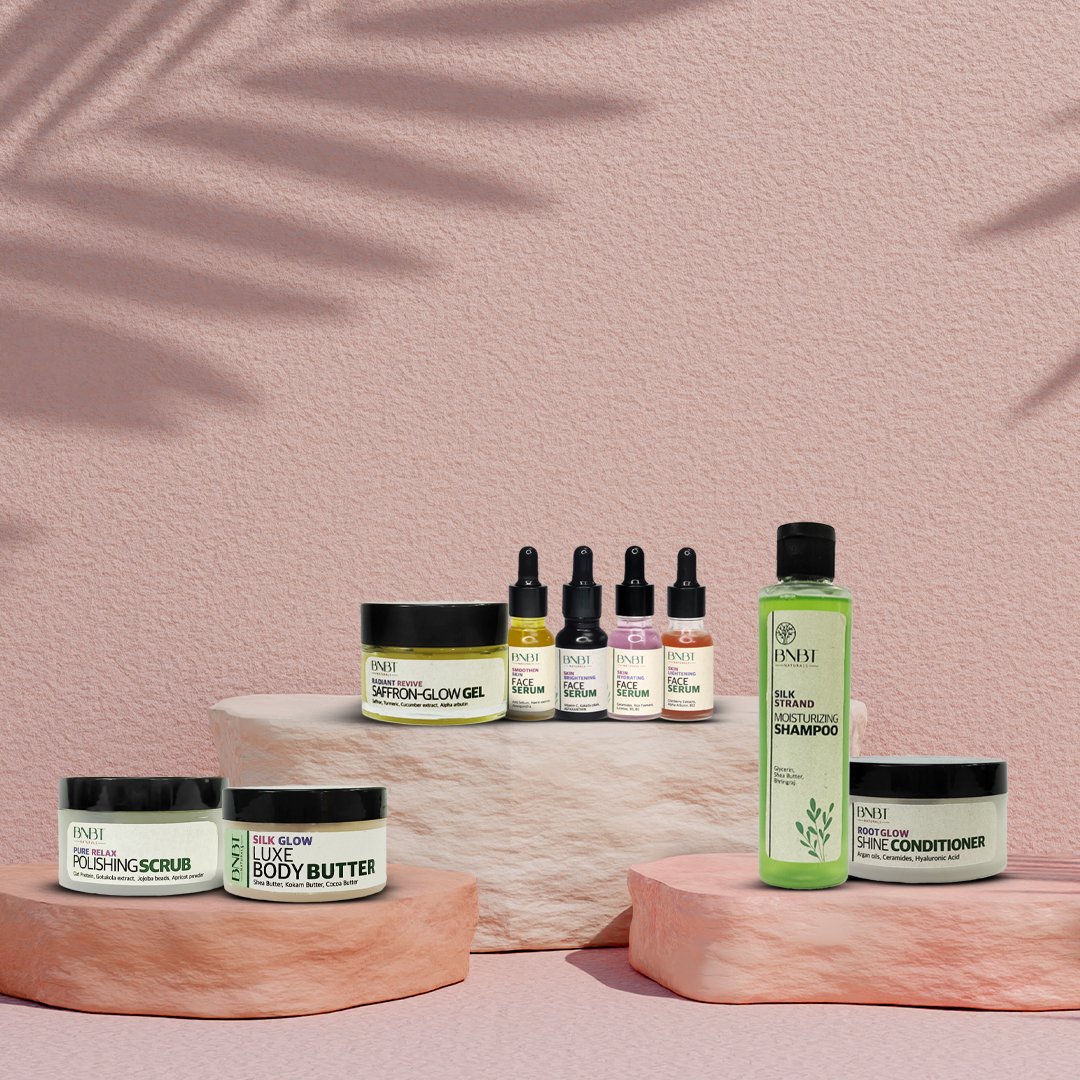
This is why it is important to understand the complete formulation, follow product directions, and pay attention to how your skin responds. BNBT Naturals focuses on Ayurvedic-inspired beauty care while combining traditional ingredients with modern skincare concepts. The brand offers a range of face, body, hair, and other personal-care products.
Common Skincare Mistakes to Avoid
One of the most common skincare mistakes is trying to use too many products at once. Other mistakes include exfoliating too frequently, changing products too often, skipping moisturizer because of oily skin, forgetting sunscreen, and using products without considering your skin type.
Another common mistake is expecting immediate results. Most skincare routines require consistency and time. Instead of constantly adding new active ingredients, focus on creating a routine that you can comfortably follow every day.
Can Vitamin C and Niacinamide Be Used Together?
Vitamin C and niacinamide can be compatible in many skincare routines. Modern skincare formulations often contain both ingredients, and they can serve different purposes within the same routine.
However, if you have sensitive skin or are introducing new products, it is still better to introduce them gradually. If irritation occurs, simplify the routine and determine which product may be responsible.
Can I Use Retinol and Vitamin C?
Retinol and Vitamin C can both be included in the same overall skincare routine. A common approach is to use Vitamin C during the day and retinol during the evening.
This approach allows you to benefit from both ingredients without necessarily applying multiple strong actives at the same time. Always follow the instructions of the specific products you are using.
Can I Use AHA and BHA Together?
AHA and BHA can sometimes be used together, but this depends on the formulations, concentrations, and your skin’s tolerance. For beginners or sensitive skin, using them on separate days may be a safer and simpler approach.
If your skin becomes excessively dry, irritated, or uncomfortable, reduce exfoliation and focus on hydration and skin barrier support.
Can I Use Niacinamide Every Day?
Niacinamide is commonly included in daily skincare routines and is generally well tolerated by many people. However, the appropriate frequency depends on the concentration, product formulation, and individual skin tolerance.
Start with the recommended usage instructions and monitor your skin rather than assuming that using more frequently will provide faster results.
What Should I Do If My Skin Becomes Irritated?
If your skin becomes irritated, stop or reduce the products that may be contributing to the reaction and return to a simple routine focused on gentle cleansing and moisturizing.
Avoid adding additional active ingredients in an attempt to fix the problem quickly. If irritation is severe, persistent, or accompanied by significant swelling or other concerning symptoms, consult a qualified dermatologist or healthcare professional.
Final Thoughts
Good skincare is not about using the largest number of products. It is about understanding your skin and choosing ingredients that work well with your routine.
Active ingredients such as retinol, Vitamin C, AHA, BHA, and niacinamide can all have a place in a thoughtful skincare routine. The key is to use them correctly, introduce them gradually, and avoid unnecessarily combining multiple strong treatments.
A simple and consistent routine is often easier to maintain than a complicated routine filled with active ingredients. Listen to your skin, follow product instructions, protect your skin from the sun during the day, and give your routine enough time to work.
The best skincare routine is not necessarily the one with the most ingredients. It is the one that gives your skin the care it needs while keeping your routine simple, balanced, and consistent.








Add comment