
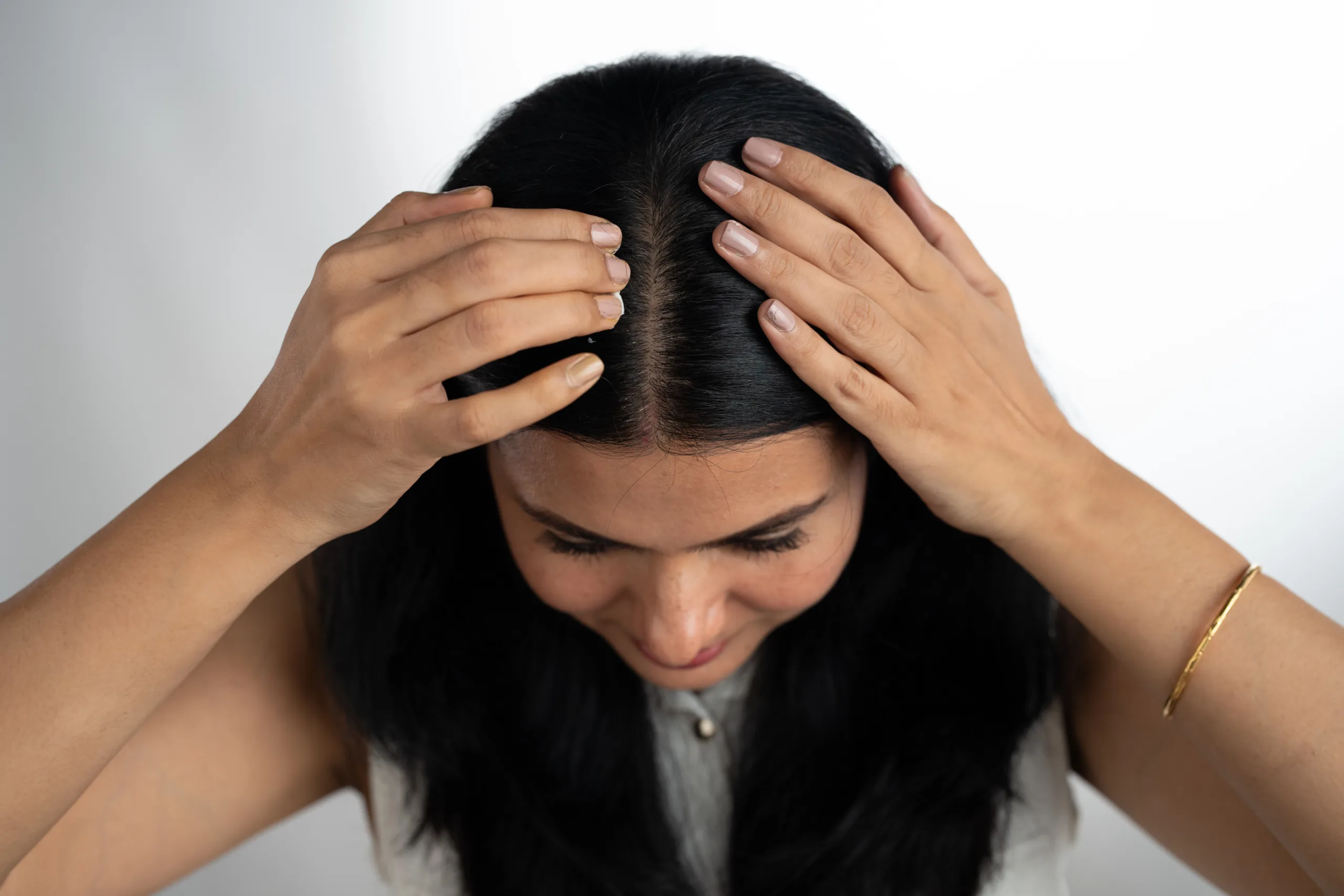
Why Hair Oil is Not Working
Hair oiling has been a trusted tradition in Indian households for generations. From promoting hair growth to improving scalp health, natural oils have always been considered essential for strong, beautiful hair.
But here’s the truth—just applying hair oil is not enough. If you’re not seeing results, the problem may not be the oil—it could be how you’re using it.
Let’s uncover the most common mistakes people make while oiling their hair and how to fix them for better, visible results.
1. Applying Too Much Oil
Many people believe that the more oil they apply, the better the results. Unfortunately, that’s not true.
Excess oil can:
- Clog hair follicles
- Attract dirt and dust
- Make washing difficult
What to do instead:
Use a moderate amount—just enough to lightly coat your scalp and hair strands. A little goes a long way when using natural, nutrient-rich oils.
2. Not Massaging the Scalp Properly
Simply applying oil and leaving it won’t give you the full benefits.
Why massage matters:
- Improves blood circulation
- Helps nutrients penetrate the scalp
- Relaxes the mind and reduces stress
Pro tip:
Massage gently using your fingertips for 5–10 minutes in circular motions. Avoid harsh rubbing, which can damage hair roots.
3. Leaving Oil Overnight (When It Doesn’t Suit You)
Leaving oil overnight is a common practice, but it doesn’t work for everyone.
For some people, it can:
- Cause scalp buildup
- Lead to dandruff or itching
- Attract environmental pollutants
Better approach:
Keep the oil on for 1–2 hours before washing if you have an oily or sensitive scalp.
4. Using the Wrong Type of Oil
Not all oils are suitable for every hair type or concern.
For example:
- Dry hair needs deeply nourishing oils
- Oily scalp requires lightweight formulations
- Hair fall needs strengthening herbal blends
Solution:
Choose oils made with natural, Ayurvedic ingredients that target specific concerns like hair fall, dandruff, or dryness.
5. Applying Oil on Dirty Scalp
Oiling over a dirty scalp blocks pores instead of nourishing them.
Why it’s harmful:
- Traps dirt and sweat
- Reduces oil absorption
- Can worsen scalp issues
What to do:
Always apply oil to a clean or slightly damp scalp for better penetration.
6. Not Being Consistent
One-time oiling won’t show results. Hair care requires patience and consistency.
Ideal routine:
- 2–3 times a week for best results
- Follow a proper wash routine
Consistency is key when using natural products, as they work gradually but effectively.
7. Using Harsh Shampoos After Oiling
After nourishing your hair with natural oil, using a chemical-heavy shampoo can strip away all the goodness.
Better choice:
Use a gentle, sulfate-free cleanser that maintains your scalp’s natural balance.
8. Ignoring Your Overall Haircare Routine
Hair oiling alone cannot solve all hair problems.
You also need:
- A balanced diet
- Proper hydration
- Stress management
- A complete haircare routine
Natural hair care works best when combined with a holistic lifestyle approach.
9. Expecting Instant Results
Natural oils take time to show visible improvement. Unlike chemical treatments, they nourish your hair from within.
Reality check:
- Visible results may take a few weeks
- Long-term benefits are healthier and stronger hair
Patience is essential when switching to natural haircare.
10. Not Choosing Quality Natural Products
Low-quality or heavily processed oils may not deliver the desired results.
What to look for:
- Natural and chemical-free ingredients
- Ayurvedic formulations
- No artificial fragrances or additives
High-quality natural oils provide better nourishment and long-term benefits.
Final Thoughts
If your hair oil isn’t working, don’t give up on oiling altogether. Instead, focus on correcting your routine and avoiding these common mistakes.
When used the right way, natural hair oils can transform your hair—making it stronger, healthier, and more vibrant over time.
Switch to a mindful, consistent, and natural approach, and you’ll start seeing the difference your hair truly deserves.







Add comment